Position Yourself for Success: Chemistry Tutoring Centered on Exam Preparation
Chemistry tutoring serves a vital function in helping students prepare for exams. Via personalized instruction and tailored learning plans, students can handle their unique challenges. Expert tutors support learners in mastering complex concepts while building confidence in their problem-solving abilities. By focusing on effective study strategies and resources, students can attain their academic goals. Still, what specific techniques and success stories highlight the effectiveness of this approach?
Comprehending the Significance of Chemistry Tutoring
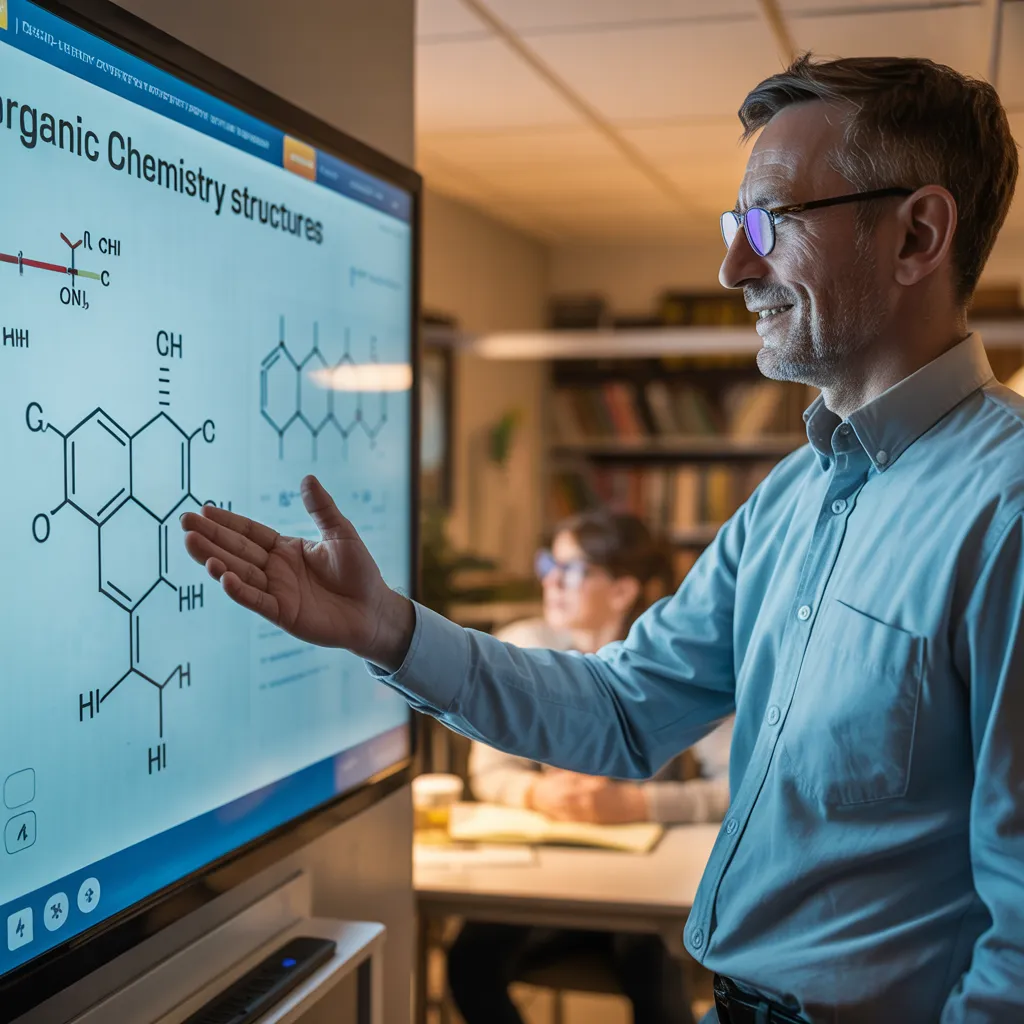
Chemistry tutoring provides considerable benefits to many students, particularly when they're preparing for exams. Understanding complex concepts such as chemical reactions, stoichiometry, and molecular structures often proves challenging. This represents where tutoring can deliver meaningful help. By means of individual sessions, tutors can illuminate complex topics, delivering explanations that connect with personal learning approaches.
Additionally, a structured tutoring environment enables students to ask questions openly, fostering a deeper understanding of the material. Regular sessions can strengthen knowledge and build confidence, which is critical when facing high-stakes exams. Moreover, tutors often integrate practice problems and past exam questions, allowing students to become familiar with the exam format and varieties of questions they may encounter.

Individualized Study Strategies for Individual Goals
Personalized learning plans are crucial for addressing the unique needs of each student in chemistry tutoring. By implementing personalized study strategies and focused skill development, tutors can productively improve knowledge and retention of material. Moreover, flexible scheduling options facilitate more accommodating learning environments, further supporting student success.
Customized Learning Techniques
Strong study methods are critical for students preparing for chemistry exams, as they can greatly strengthen grasp and retention of complex concepts. Tailored study strategies involve examining each student's unique strengths and weaknesses, allowing for the development of individualized approaches that cater to individual learning styles. This might include different methods such as visual aids, practice problems, or interactive simulations. By targeting specific areas of difficulty, students can assign their study time more effectively, making certain that they grasp foundational principles before addressing more advanced topics. Regular progress assessments can further enhance these approaches, empowering students to adjust their study habits as needed. Eventually, individualized study strategies foster a more stimulating and effective learning experience in chemistry.
Focused Skill Growth
Drawing from personalized study strategies, focused skill development emphasizes the importance of creating tailored learning plans that address individual student needs. Each student has unique strengths and weaknesses; therefore, a one-size-fits-all approach could hinder progress. Tutors analyze students' current knowledge, identifying specific areas needing improvement, such as problem-solving skills or conceptual understanding. By focusing on these targeted skills, tutors design lessons that incorporate relevant examples and practice problems, making certain students grasp essential concepts thoroughly. This customized approach encourages greater engagement, allowing students to build confidence and competence in chemistry. Ultimately, focused skill development not only prepares students for exams but also cultivates a deeper appreciation for the subject, laying a solid foundation for future academic pursuits.
Flexible Booking Options
Flexible scheduling options play an essential role in accommodating the diverse needs of students preparing for chemistry exams. Appreciating that each pupil has particular commitments and educational tempos, effective tutoring programs offer a variety of scheduling choices. This flexibility empowers pupils to designate sessions that fit their personal and academic lives, whether through evening or weekend classes. In addition, tutors can develop personalized educational strategies that align with individual goals and timelines, ensuring a focused approach to exam readiness. By providing options that cater to varying schedules, these programs improve student involvement and enthusiasm, ultimately leading to superior academic outcomes. As a result, flexible scheduling represents a fundamental element of successful chemistry tutoring, fostering an environment beneficial for learning and attainment.
Professional Mentorship: Acquiring Skills From Professional Tutors
While many students struggle with complex chemistry concepts, working with skilled tutors can substantially boost their grasp and confidence. Such tutors bring abundant wisdom and practical background, permitting them to adapt their teaching strategies to address specific learner needs. They have the ability to break apart difficult subjects, rendering them more understandable and relevant.
Additionally, skilled tutors are excellent at identifying common misconceptions and delivering targeted feedback, which is vital for mastering challenging material. Their expertise in the academic curriculum and exam formats empowers them to equip students with essential skills and strategies essential for success.
In addition, the encouraging environment created by these tutors encourages direct communication, permitting students to raise questions and express challenges without hesitation. This personalized attention not only aids in grasping complex concepts but also increases student morale and motivation, eventually contributing to a enhanced learning experience in chemistry.
Successful Study Strategies for Exam Preparation
To improve exam preparation in chemistry, students should utilize effective study strategies that foster understanding and retention of material. One key approach is to establish a structured study schedule, allocating specific times for different topics while ensuring regular review sessions. Utilizing active learning techniques, such as paraphrasing concepts in one's own copyright or teaching the material to a peer, can significantly improve comprehension.
In addition, students should incorporate practice problems, as these solidify knowledge and reveal areas that require further attention. Utilizing varied resources, including textbooks, online platforms, and study groups, promotes a deeper understanding of complex concepts. Implementing mnemonic devices or visual aids can also support memory retention.
In conclusion, students should focus on a balanced study environment—eliminating distractions and ensuring adequate breaks—to enhance focus and ward off burnout. By utilizing these strategies, students can successfully prepare for their chemistry exams, positioning themselves for success.
Fostering Assurance in Problem-Solving Competencies
Building confidence in problem-solving skills is crucial for students to excel in chemistry and approach complex concepts with ease. A robust foundation in problem-solving not only strengthens understanding but also promotes a proactive approach to learning. Students who feel capable in their abilities are more likely to engage with challenging material, experiment with different strategies, and ultimately develop a deeper grasp of chemical principles.
Private instruction can fulfill a key role in this process. By supplying tailored guidance, tutors help students simplify intricate problems into digestible steps, cultivating a sense of achievement with each solution. Consistent practice under the supervision of a knowledgeable tutor facilitates immediate feedback, cementing correct methods and identifying areas for improvement. This iterative learning process cultivates resilience and adaptability, essential traits for mastering chemistry. As students acquire confidence in their problem-solving abilities, they are more prepared to approach exams and apply their knowledge effectively in different scenarios.
Tools and Resources for Improved Learning
Effective learning in chemistry can be considerably improved with the right resources and tools at a student's disposal. Textbooks and online materials provide foundational knowledge, while interactive simulations and virtual labs permit students to visualize complex concepts and conduct experiments safely. Moreover, mobile applications can enable on-the-go learning, offering practice problems and flashcards that strengthen key terminology and principles.
Collaborative platforms, including discussion forums and study groups, enable students to engage with peers and share insights, promoting a communal learning environment. Moreover, tutoring platforms utilizing video conferencing technologies allow for personalized instruction customized for individual learning styles.
Utilizing these resources not only supports understanding but also promotes active involvement, making the study of chemistry more interesting and effective. By leveraging a variety of resources, students can build an extensive understanding of the subject, ultimately strengthening their exam preparation.
Student Success Stories: Tangible Results Via Chemistry Tutoring
Several students have witnessed considerable progress in their chemistry test scores after enrolling in targeted tutoring. This personalized approach both improves students' understanding of complex concepts while elevating their confidence in confronting challenging material. As a result, these success stories demonstrate the effectiveness of chemistry tutoring in preparing students for exams.
Enhanced Test Scores
As students engaged in chemistry tutoring carefully prepare for their exams, many success stories emerge, demonstrating remarkable improvements in test scores. Several students initially struggling with complex topics have reported significant gains, transforming their academic performances. For example, one student, who initially had a score of 58%, achieved a 92% after ongoing tutoring sessions, showing the effectiveness of tailored guidance. Another case involved a group of students who, collectively, improved their average scores from 70% to 85% following a focused review of key concepts. These tangible results underscore the positive impact of tailored tutoring approaches, fostering not only superior performance but also increased confidence among students as they face their exams. Such success stories function as motivation for future learners.
Advanced Idea Grasp
Although many students at first consider chemistry concepts challenging, success stories from tutoring sessions demonstrate a significant improvement in understanding. Through customized guidance, tutors help students dissect complex topics into digestible components. For instance, one student experienced problems with stoichiometry until a tutor incorporated visual aids and real-life applications, enhancing the student's grasp of the subject. Another student who had problems with chemical bonding experienced a breakthrough after completing interactive problem-solving sessions. These customized approaches not only explain difficult concepts but also foster confidence and curiosity. As students become more capable of handling intricate ideas, they develop a deeper appreciation for chemistry, demonstrating that effective tutoring can dramatically enhance comprehension and academic performance.
Frequently Asked Questions
What Qualifications Should I Seek When Choosing a Chemistry Tutor?
When selecting a chemistry tutor, one should prioritize qualifications like a strong educational foundation in chemistry, relevant teaching experience, excellent communication skills, and a solid track record of helping students accomplish their academic goals.
How Far in Advance Should I Begin Tutoring Before an Exam?
Optimally, students should start tutoring sessions at least 4-6 weeks ahead of an exam. This period allows for comprehensive review, practice of complex concepts, and ample time to address any persistent questions or challenges.
Are Remote Tutoring Sessions as Productive as In-Person Ones?
Studies show that virtual tutoring sessions can be as effective as face-to-face sessions, as long as the tutor maintains active student engagement and utilizes suitable tools. Personal preferences and learning styles may impact effectiveness, however.
What's the Average Price for Chemistry Tutoring Services?
The average cost of chemistry tutoring services ranges from $25 to $100 per hour, determined by factors such as the tutor's experience, location, and whether the sessions are conducted online or in person.
Can Tutoring Help With College-Level Chemistry Courses?
Understanding of college-level chemistry courses can be substantially enhanced with tutoring. It gives personalized help, clarifies intricate concepts, and develops problem-solving skills, ultimately resulting in improved academic performance article and greater confidence in addressing challenging material.